

Table of Contents
- Why Bathroom Upgrades Matter When Selling
- Budget-Friendly Bathroom Ideas That Work
- Bathroom Upgrades That Increase Home Value
- Inexpensive Bathroom Updates Before Selling
- Understanding Bathroom Remodel Return on Investment
- Prioritizing Upgrades by Budget and Difficulty
- What Not to Upgrade Before Selling
- Permits, Code Compliance, and Pre-Sale Inspection
- Frequently Asked Questions
Last Updated: October 18, 2026
Why Bathroom Upgrades Matter When Selling
When preparing to sell, the bathroom is one of the first spaces buyers evaluate.
The key insight most sellers miss: you don’t need a gut renovation. Affordable bathroom upgrades for resale value focus on high-visibility improvements that feel fresh and functional without breaking your budget.
Bathrooms are second only to kitchens in influencing purchase decisions. A dated bathroom makes a solid home feel neglected, while fresh paint, updated fixtures, and better lighting shift buyer perception.
Budget-Friendly Bathroom Ideas That Work
Paint and Fresh Finishes
Paint is the most cost-effective upgrade, transforming a tired bathroom in a weekend.
Don’t overlook the ceiling, a fresh white one makes a noticeable difference.
Refresh dingy grout lines with a grout pen or a few hours of professional help. It signals cleanliness and attention to detail without the cost of retiling.
Lighting and Mirrors
Lighting changes buyer perception more than almost any other element. Replace builder-grade fixtures with modern sconces on either side of the mirror; LED bulbs are cheap to operate.
A new mirror is another high-impact, low-cost upgrade.
If your bathroom lacks overhead lighting, add a small fixture. Layered lighting, overhead, vanity sconces, and task lighting, feels intentional and luxurious.
Fixtures and Hardware
Swapping cabinet hardware and faucets costs little but feels like a major upgrade.
Replace your shower head with a modern, water-efficient model (the EPA).
If your faucet is old or leaking, replace it now. A dripping faucet signals poor maintenance, and a new one costs far less than the negative impression it prevents.
Bathroom Upgrades That Increase Home Value
Shower and Tub Improvements
The shower or tub is often the focal point.
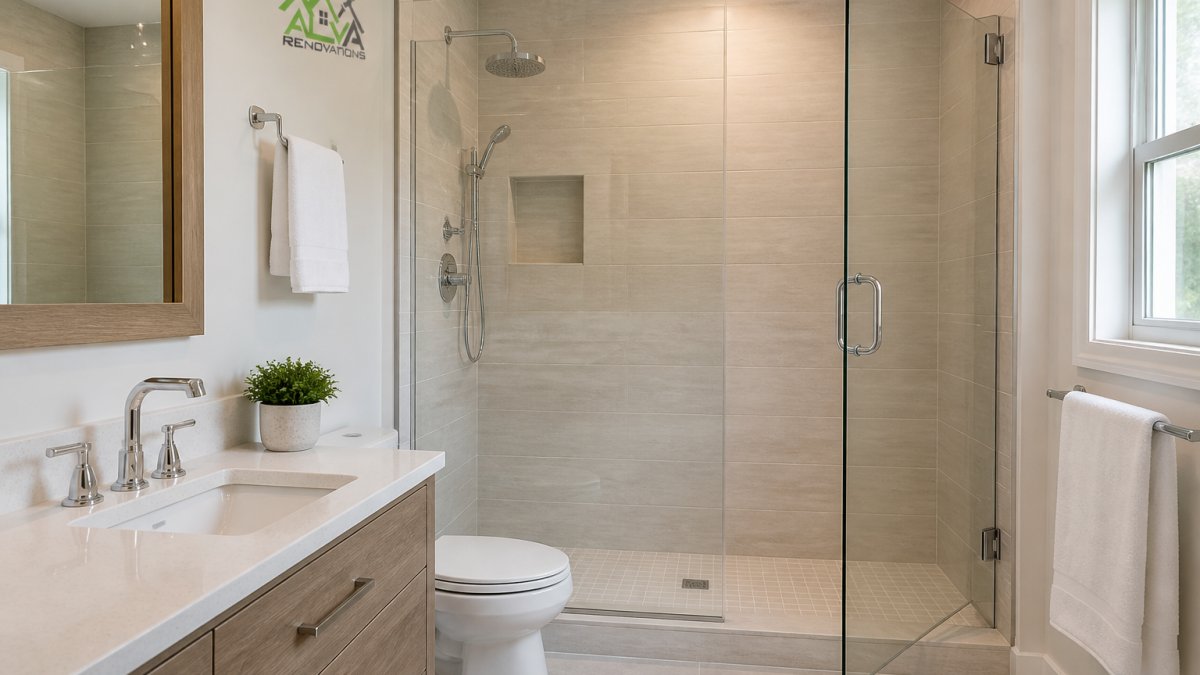
For showers, a glass enclosure feels more upscale than a curtain and makes the space appear larger.
A functional, clean shower or tub is non-negotiable. Buyers expect it to work without issues, and any mold, mildew, or water damage raises red flags.
Vanity and Storage Updates
Replace a dated vanity if budget allows, a floating vanity feels contemporary and is easier to clean.
Storage matters to buyers. Add medicine cabinets or shelving if you lack them; open shelving with rolled towels creates an organized, spa-like feel buyers can picture their belongings in.
A quartz or stone-look laminate countertop looks high-end without the cost of real stone and can make an old vanity feel brand new.
Flooring and Tile Work
Bathroom flooring takes a beating.
If full replacement is out of budget, clean and regrout. Dingy grout makes good tile look old, and a professional grout cleaning transforms the appearance for a fraction of replacement cost.
Heated floors are a luxury buyers appreciate but optional for resale value in most markets; clean, well-maintained standard tile is sufficient.
Inexpensive Bathroom Updates Before Selling
Quick Cosmetic Fixes
Small details matter during showings.
Fix leaks immediately. A dripping faucet or running toilet signals poor maintenance, and these quick, inexpensive fixes have outsized impact on buyer perception.
If your shower has no door, replace the curtain with a clean, neutral one, under 20 dollars and instantly fresher.
Clean grout with a specialized cleaner or hire a professional for a few hours; it transforms dingy tile instantly.
Cleaning and Staging
Deep cleaning is your secret weapon. A spotless bathroom feels luxurious and well-maintained; pay special attention to corners, grout lines, and the toilet bowl.
Remove personal items and clutter. A minimalist bathroom feels larger and lets buyers visualize their own belongings; keep only essentials visible, a few rolled towels, a plant, a candle.
Ensure the bathroom smells fresh, open windows or use a subtle air freshener. Avoid strong chemical smells, which can backfire.
Replace burned-out bulbs before showings; proper lighting is non-negotiable.
Understanding Bathroom Remodel Return on Investment
Most bathroom ROI advice collapses into a single headline number, and that is where sellers get misled. Bathroom upgrades don’t return a fixed percentage, they return a range depending on cost, visibility during showings, and whether local comparable sales support a higher list price. Treat any “bathrooms return X%” figure as a starting point.
Separate perceived value from appraised value
This distinction matters more than any percentage. Cosmetic upgrades, paint, hardware, lighting, a new mirror, fresh caulk, reliably raise perceived value: the room shows better and shrinks the buyer’s list of “things I’ll have to fix,” which can shorten days-on-market and strengthen your negotiating position.
They do not reliably raise appraised value. An appraiser works from comparable sales, not how nice your sconces look; a $400 lighting and hardware refresh rarely moves an appraisal but can move a buyer.
A realistic cost-and-impact breakdown
Use these as planning ranges, not quotes; costs vary by region, home age, and DIY. “Likely impact” describes the mechanism, not a guaranteed return.
- Paint walls and ceiling: low material cost, weekend DIY. High perceived-value impact per dollar; near-zero appraisal impact. Best first move in almost every bathroom.
- Cabinet hardware and faucet swap: modest cost, under an hour. Strong perceived-value impact and signals maintenance; a faucet swap can also resolve a leak that would otherwise hit the inspection report.
- Vanity lighting and mirror: moderate cost, often DIY if wiring exists. High perceived-value impact because lighting drives how the room photographs; new wiring makes it an electrical project with permit implications.
The payback caveats competitors skip
- Comps cap your upside. If every comparable home nearby has a builder-grade bathroom, a luxury upgrade won’t appraise or sell at a premium, you’ll just be the nicest bathroom in a neighborhood that doesn’t pay for it.
- Buyers discount problems, not finishes. Buyers mentally subtract for a leaking faucet, moldy caulk, or a dead exhaust fan far more reliably than they add for trendy tile. Fixing problems first is the highest-return move in the room.
- Speed has value too. A bathroom that shows well can shorten time on market, and carrying costs during a slow sale often exceed the cosmetic upgrades themselves, a real return even when the sale price doesn’t change.
Budget for perception first (paint, hardware, lighting, grout, caulk), then spend on appraised value only where your local comparable sales support it. The return is real but conditional, never assume a fixed percentage.
Matching upgrades to your local market
Before you spend, pull three to five recent comparable sales and look at their bathrooms. If they’re dated, a clean cosmetic refresh competes; if updated, match the fixtures, lighting, and finishes buyers see next door. In competitive markets, modest upgrades can mean a fast sale; in slower markets, put budget into visible fixes and maintenance first and skip anything that pushes your bathroom above the neighborhood standard.
Prioritizing Upgrades by Budget and Difficulty
A list of projects is not a plan. The useful question is “in what order, and where does DIY stop being worth it?” Sequence work so cheap, high-visibility fixes come first, maintenance problems are solved before cosmetics, and anything touching plumbing, electrical, or structure goes to a licensed professional.
The sequencing rule
Work in this order: fix problems → refresh surfaces → upgrade fixtures → replace components. A leaking faucet, failing exhaust fan, or moldy caulk comes before paint, because buyers discount the room for the problem no matter how fresh the walls look. Painting over moisture is the most common way sellers waste money in a bathroom.
Tier 1: Weekend, low-cost, DIY-friendly
Low-material-cost projects most homeowners can finish in a weekend with basic tools. They deliver the highest perceived-value impact per dollar and should come first.
- Paint walls and ceiling in a neutral tone
- Replace cabinet hardware
- Swap the shower head for a water-efficient model
- Replace worn caulk around the tub and sink
DIY vs. contractor: all of the above are reasonable DIY, except a mirror requiring new wiring or relocation, that becomes an electrical task.
Tier 2: Moderate cost, mixed DIY and trade work
Longer, costlier, and some require a licensed trade. Decide project by project.
- Replace the faucet, DIY if shutoff valves work; call a plumber if valves are seized or supply lines corroded
- Install vanity lighting, DIY only if wiring exists; new circuits need an electrician and typically a permit
- Paint cabinetry, DIY, but prep quality determines the result; poor prep peels
- Refinish the tub or shower surround, professional job; refinishing has a lifespan and should be disclosed
Permit trigger: new electrical circuits, relocated plumbing, and structural changes generally require a permit and inspection. Confirm local requirements before work begins.
Tier 3: Higher cost, contractor-led
Highest DIY risk and where over-improving is most likely. Reserve these for when comparable sales clearly support the spend.
- Full vanity replacement with plumbing updates
- Glass shower enclosure (measurement-critical)
- Flooring replacement
- Complete tile work
DIY vs. contractor: treat all of Tier 3 as contractor-led. A poorly fitted glass enclosure, improperly sloped shower pan, or flooring over a wet subfloor costs more to fix than to do right the first time.
How to choose when your budget is limited
If you can only fund one tier, fund Tier 1 completely before starting Tier 2. A fully refreshed Tier 1 bathroom, clean grout, fresh paint, new hardware, working lighting, no leaks, reads as “move-in ready” and costs far less than a half-finished Tier 2 project. An incomplete renovation is worse than a dated but clean bathroom.
Do not start a Tier 2 or Tier 3 project you cannot finish before showings begin. A bathroom mid-renovation signals poor planning and invites low offers. Finish or don’t start.
What to skip entirely
- Luxury finishes that exceed your neighborhood’s comparable sales
- Removing a functional tub for a trend-driven shower unless your market clearly favors it
- Bold, personalized tile or wallpaper that narrows your buyer pool
- Any upgrade that sacrifices ventilation, storage, or functional lighting for style
Match your plan to your market and timeline, not a generic checklist. The best sequence is the one you can complete, document, and stand behind when a buyer and an inspector look at the room.
What Not to Upgrade Before Selling
Avoid over-personalizing the bathroom.
Don’t invest in luxury features that don’t align with your home’s price point.
Avoid incomplete projects. A bathroom mid-renovation looks chaotic and signals poor planning, finish before showing or don’t start.
Don’t neglect maintenance for cosmetics.
Avoid removing functional elements to add trendy ones. A bathroom needs proper ventilation, adequate storage, and functional lighting.
Permits, Code Compliance, and Pre-Sale Inspection
Before any bathroom work, understand what requires permits in your area.
Ventilation is a code requirement.
Electrical work near water requires GFCI protection.
A professional home inspection reveals issues you’ve missed.
For significant changes, replacing the vanity, moving fixtures, or extensive tile work, hire a licensed contractor. This ensures the work meets code and won’t create problems for the new owner. ALVA RENOVATIONS LLC provides comprehensive residential and commercial remodeling, repairs, and maintenance services, including bathroom upgrades.
Document all work completed.
Preparing your bathroom for sale doesn’t require a complete renovation. Strategic, affordable upgrades create the move-in-ready appearance buyers want.
Frequently Asked Questions
What bathroom upgrades increase home value the most?
Fixture replacements, vanity updates, and shower improvements tend to catch buyer attention and suggest the home has been maintained. Lighting upgrades and fresh paint also signal care without major expense. Buyers respond most to bathrooms that look clean, functional, and modern, not necessarily luxurious. Focus on what makes the space feel newer and well-maintained rather than high-end finishes that may not appeal to your local buyer profile.
What are the best budget-friendly bathroom ideas before selling?
Paint walls and cabinetry in neutral tones, replace or polish fixtures and hardware, upgrade lighting with LED bulbs or new sconces, install a new mirror, and refresh caulk and grout. These updates cost little but make a bathroom look cared for and modern. Declutter storage, deep clean, and stage with fresh towels and minimal décor. These budget-friendly bathroom ideas deliver visual impact without requiring contractor work.
How much can a bathroom remodel return on investment?
The bathroom remodel return on investment varies by local market and project scope. Consult with a local contractor or appraiser to understand what upgrades align with your neighborhood’s resale standards.
Should I replace a bathroom vanity before selling my home?
Yes, if the existing vanity looks dated, worn, or builder-grade. A vanity replacement is moderately priced, highly visible, and signals that the bathroom has been updated. Buyers often notice the vanity first, so replacing an old one can shift their perception from outdated to maintained. Skip replacement only if your vanity is already in good condition and matches current style standards. A fresh vanity paired with updated hardware and lighting creates strong buyer appeal.