

Last Updated: October 25, 2026
Quick Summary
Emergency home repair requires preparation before the technician arrives: document damage with photos and videos, clear access to the problem area, and communicate clearly with your contractor about expectations, scope, and what to do if hidden problems are found.
- Stop the source first by shutting off water, electricity, or gas before calling for help.
- Classify the job honestly as true emergency, urgent, or deferred to avoid paying emergency rates for non-urgent work.
- Insist on a written estimate that includes scope, materials, labor, timeline, exclusions, and payment terms before work begins.
- Verify the contractor’s state registration, current insurance certificate, and credentials before committing to the work.
- Ask the contractor to stop and provide a written change order if they discover unexpected problems rather than proceeding without approval.
Table of Contents
- Why Preparation Matters for Emergency Home Repair
- Document the Damage Before Emergency Plumbing Repair or Other Work Begins
- Clear Access and Protect Your Belongings
- Handyman Services in Bellingham Work Best With Clear Communication
- Know What Urgent Home Repairs Require and Plan Accordingly
- Reading Home Repair Service Reviews to Set Expectations
- Getting Your Free Estimate and Starting Your Repair
- Frequently Asked Questions
Why Preparation Matters for Emergency Home Repair
When a pipe bursts at midnight or a roof starts leaking after a storm, calling for help immediately is right, but what happens before the technician arrives can make or break the repair.
Proper preparation can help homeowners save on secondary damage and accelerate repairs. According to HomeServe’s 2026 home emergency survey, 80% of homeowners experienced a home repair emergency in the past year, yet most weren’t prepared.
This guide covers what to do when emergency home repair services are on the way: documentation, access, communication, and working with your contractor.
Document the Damage Before Emergency Plumbing Repair or Other Work Begins
Take photos and videos of the damage before anyone touches anything, for insurance claims, scope of work, and your own protection.
Photograph the affected area from multiple angles, wide shots, then close-ups of water spread, structural cracks, and scorch marks or damaged wiring (from a safe distance).
Video is even more valuable: walk through narrating what you see, giving contractor and adjuster the full scope.
Clear Access and Protect Your Belongings
Protect items you can’t move with plastic sheeting, drop cloths, or tarps.
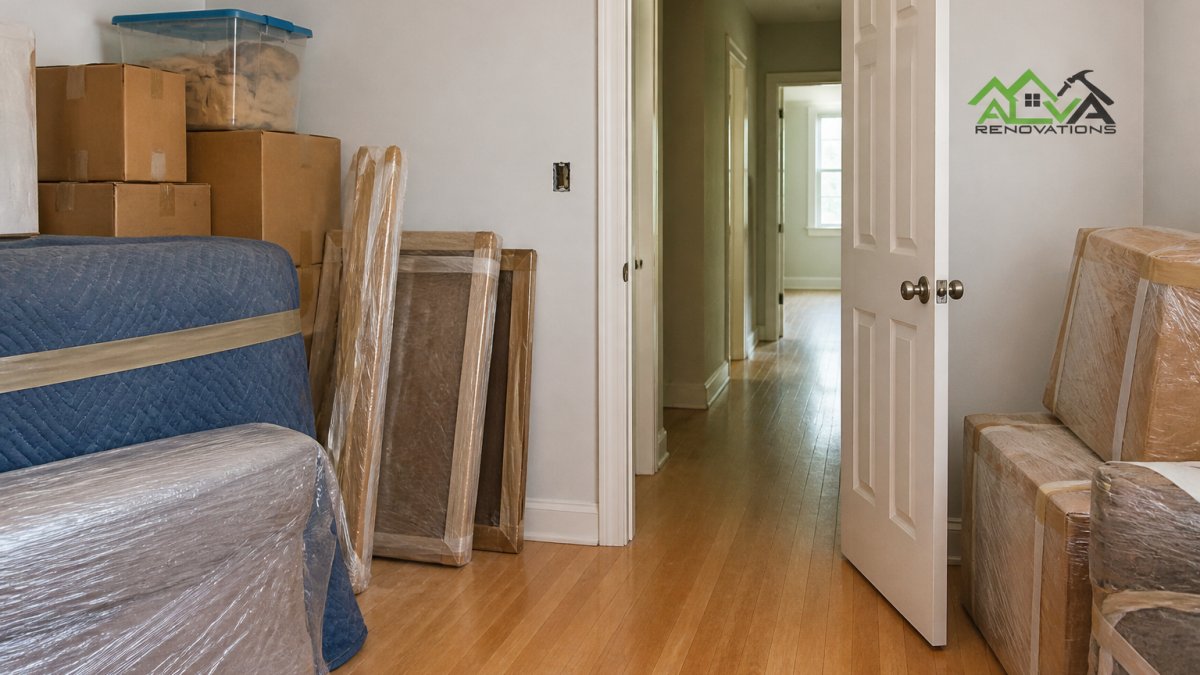
Shut doors to adjacent rooms to contain dust, debris, and secondary water damage. If the repair involves the main water line or electrical panel, keep the path clear.
Tell the contractor about anything fragile or valuable near the work area, antiques, heirlooms, irreplaceable items, so they can take extra care.
Handyman Services in Bellingham Work Best With Clear Communication
Before work begins, have a direct conversation with your contractor about expectations and what they need from you.
Emergency repairs often uncover hidden problems, rot, outdated wiring, structural issues, previous poor repairs.
Establish communication expectations. How often will you hear from them during the work? Daily updates?
Confirm payment terms in writing: when payment is due, what’s included versus extra, and any deposit requirements.
Know What Urgent Home Repairs Require and Plan Accordingly
Most listings say “emergency service available” and stop there, telling you nothing about whether your problem qualifies, who answers at 2 a.m., or what to do before anyone arrives. Here’s a working triage framework. Disaster restoration services handle water, fire, and storm damage cleanup and recovery when you need professional help.
Step 1: Stop the source before you call anyone
For the three most common after-hours calls, the first move is yours:
- Burst or leaking supply line: Shut off the main water valve. In most single-family homes it sits near the water meter, in a utility closet, or at the street curb. Turn it clockwise until it stops. Open a low faucet to drain pressure. If the leak is at a fixture, the angle stop under the sink or behind the toilet will isolate it.
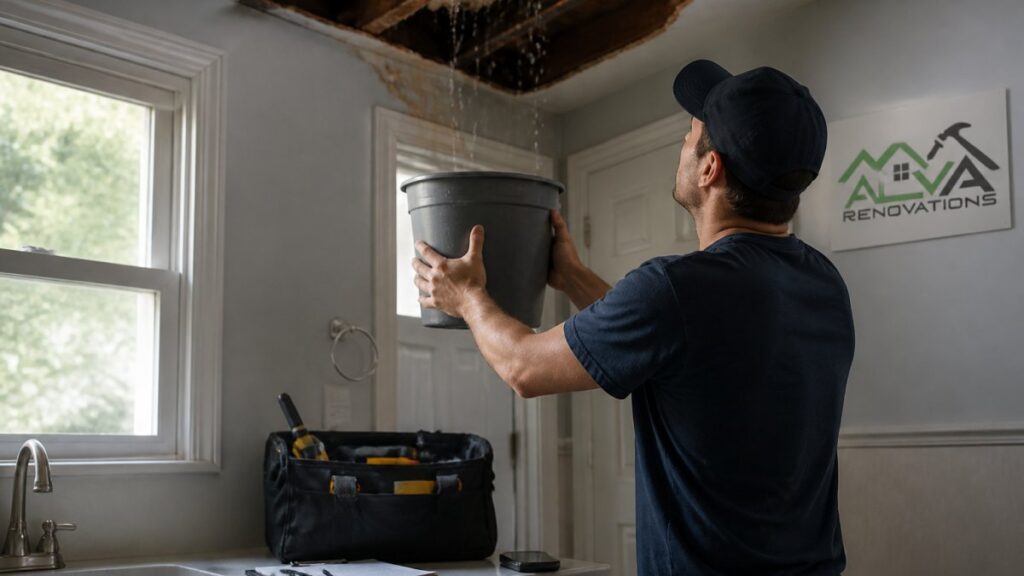
- Active roof leak: Do not go on the roof in a storm. Move valuables, place a bucket, and if the ceiling is bulging, poke a small drain hole with a screwdriver to release trapped water, a controlled drip beats a ceiling collapse. Tarping is a daylight or post-storm task.
- Electrical burning smell or sparking outlet: Kill the breaker at the panel. If you cannot identify the circuit or the panel itself is hot, scorched, or buzzing, leave the building and call the fire department first, then the contractor. Never re-energize a circuit that tripped twice.
If you smell gas, see flames, or anyone is injured, call 911 before calling any contractor. Emergency repair services are not a substitute for fire, gas, or medical response.
Step 2: Classify the job honestly
Use this three-tier test to decide how fast you need someone and how much you should expect to pay for speed:
| Tier | Examples | Realistic response window | Cost posture |
|---|---|---|---|
| True emergency | Burst pipe flooding a room, sewage backup, no heat in freezing weather, roof actively leaking over living space, sparking or burning at a panel | Same day; after-hours dispatch | Expect an after-hours or emergency call-out fee on top of labor |
| Urgent | Slow contained leak, running toilet, failed water heater (no flooding), broken exterior door or window, storm-damaged siding letting water in | Within 24-72 hours | Standard rates; you have time to compare two or three quotes |
| Deferred | Sticking door, single dead outlet, cosmetic drywall damage, dripping outdoor spigot | Schedule within 1-2 weeks | Standard rates; bundle with other work to reduce trip charges |
Be honest about the tier. Contractors triage by actual risk; describing a slow drip as a flood gets you emergency pricing for a job that could have waited.
Step 3: Describe the problem the way a dispatcher needs to hear it
When you call, lead with four facts: (1) what is happening now, (2) whether water, gas, or electricity is actively involved, (3) what you’ve already shut off or contained, and (4) your address and whether the problem area is accessible. “Burst supply line under the kitchen sink, main is off, water stopped, single-story home, crawlspace access in the hallway” lets a dispatcher commit a tech and load the right parts before the call ends.
Step 4: Know when a handyman is the wrong call
General handyman services handle leaks, drywall, doors, siding, decks, and minor electrical and plumbing swaps. But some jobs require a licensed specialist:
- Gas lines and gas appliances require a licensed plumber or gas fitter. Do not let a general repair tech touch them.
- Main electrical panel work, new circuits, and service upgrades require a licensed electrician.
- Structural repairs, compromised beams, sagging floors, failed headers, need an engineer’s assessment before anyone rebuilds.
A reputable handyman will tell you when a job is outside their scope. If they don’t, keep calling.
Step 5: Verify before you commit
Before anyone starts work, confirm three things: state registration, a current certificate of insurance (general liability and, if they have employees, workers’ comp), and a written scope with a price. Verify registration through the state’s contractor lookup and ask for the insurance certificate emailed directly from the insurer or agent. Five minutes, and your best protection against a bad after-hours experience.
Emergency repair is a triage problem before it is a hiring problem. Shut off the source, classify the tier honestly, describe the situation in dispatcher language, and verify credentials before work starts. Contractors who are set up for emergency work will ask you these questions anyway, arriving with answers shortens the response and keeps the price where it belongs.
Reading Home Repair Service Reviews to Set Expectations
Before hiring for emergency work, check the contractor’s track record. Reviews reveal patterns about reliability, communication, and quality.
Focus on reviews from the past year or two, a contractor who was great five years ago may have changed. Read several rather than scanning the star rating; patterns emerge across multiple perspectives.
Look for reviews mentioning emergency response: did they show up quickly, stay professional under pressure, and communicate clearly? You want someone calm who keeps you informed.
Check that the contractor is licensed, bonded, and insured, it protects you if something goes wrong.
Getting Your Free Estimate and Starting Your Repair
“Free estimate” is the most repeated and least explained phrase in this category. What you get, when, and at what cost varies enormously between a weekday visit and an after-hours emergency call. Here’s what to expect so the number on the page matches the invoice.
What a real estimate contains
A usable written estimate for emergency repair work should include, at minimum:
- Scope of work in plain language, what will be removed, repaired, replaced, and reinstalled.
- Materials with brand or grade where it matters (e.g., PEX vs. copper, shingle type, drywall thickness).
- Labor broken out or clearly bundled, with an hourly rate or flat price stated.
If any are missing, ask before signing. A one-line estimate (“Fix leak, $X”) is a guess with a number attached.
How emergency pricing actually works
Emergency and after-hours work is priced differently from weekday work. Expect some combination of the following:
- Trip or dispatch fee, a flat charge for sending a truck, common on after-hours calls and often credited against the repair if you proceed.
- After-hours or emergency surcharge, typically a multiplier or flat add-on for nights, weekends, and holidays. Ask what the window is (e.g., after 5 p.m., before 7 a.m., all day Sunday).
- Diagnostic fee, a charge to identify the problem, sometimes separate from the repair quote and sometimes waived if you approve the work.
None of these are unfair, dispatching at 11 p.m. costs more than at 10 a.m., but they should be disclosed before work begins, not discovered on the invoice. Ask directly: “What is the total I will owe if you arrive, diagnose, and fix this tonight, assuming no surprises?” A straight answer is a good sign.
What actually drives the price up or down
Two jobs that sound identical on the phone can price very differently. The biggest variables:
- Access, a crawlspace with a clear hatch and lighting is cheaper to work in than one you have to move a washer to reach. Attic work in summer costs more than the same work in a basement.
- Age and material of the home, older galvanized or polybutylene plumbing, knob-and-tube wiring, and non-standard framing all add labor because the repair has to interface with what’s there.
- Hidden damage, rot behind a shower wall, waterlogged subfloor, or a previous DIY repair that has to be undone. This is the single most common reason an estimate changes mid-job.
Change orders: how to handle the “we found something” call
Emergency repairs frequently uncover more than they were called for. The right process is a written change order: the contractor stops, explains what was found, provides a revised price, and gets your approval, text or email is fine, before proceeding. Ask up front: “If you find something unexpected, will you stop and quote it before doing it?” Anything other than yes is a red flag.
Ask for the estimate in writing, even for a small emergency job. A text message with the scope and price counts. The point is to have a record of what was agreed before work started, so the invoice can be checked against it line by line.
Before the truck arrives
Once you’ve accepted an estimate and scheduled the work, confirm in writing the arrival window, technician’s name, total estimated cost including fees, and payment method accepted on site. Clear the work area, secure pets, and make sure an adult is home.
When you’re ready to move forward, contact ALVA RENOVATIONS LLC for your free estimate to discuss your specific emergency repair needs.
The estimate is where trust is either built or broken. Insist on a written, itemized scope with fees disclosed, ask what the all-in number looks like for the scenario you’re actually in, and require a change order before any additional work. That single habit prevents most of the pricing disputes that follow emergency repairs.
Frequently Asked Questions
What should I document before an emergency home repair service arrives?
Take clear photos and videos of the damage from multiple angles, including close-ups and wide shots showing the affected area and surrounding damage. Write down when the problem started, what you’ve noticed, and any temporary fixes you’ve made. Note the location of the main water shut-off, electrical panel, or gas valve if relevant to the repair. Keep all receipts, warranties, and previous repair records handy. This documentation helps the technician understand the full scope and prevents disputes about pre-existing damage.
How can I prepare my home for handyman services in Bellingham?
Clear the work area of furniture, decorations, and personal items at least 24 hours before arrival. Move vehicles from the driveway if exterior work is scheduled. Ensure the technician has easy access to electrical outlets, water sources, and the main shut-offs. Inform family members and pets of the appointment time. Have a quiet space available where you can discuss the scope of work. Leave gates or doors unlocked if necessary, and provide clear directions to the problem area. Good preparation speeds up diagnosis and reduces unexpected delays.
What questions should I ask before hiring an emergency plumbing repair or other urgent service?
Ask about their response time, whether they charge a call-out fee, and how they handle after-hours emergencies. Verify they are licensed, bonded, and insured. Request an estimate before work begins and ask how they handle surprise costs discovered during the repair. Confirm their service area and whether they can travel to your location. Ask about warranty on parts and labor, and request references or reviews from recent customers. Clarify payment methods and whether they accept insurance claims. These questions help you understand their process and avoid surprises.
How do I know if a home repair service is reliable based on reviews?
Look for home repair service reviews that mention specific projects, timelines, and communication quality, not just star ratings. Check for mentions of how the company handled unexpected issues or changing scopes. Reviews noting punctuality, cleanliness, and follow-up are strong indicators. Be cautious of reviews that are all glowing or all negative, and look for patterns. Verify reviews on multiple platforms and check the company’s BBB accreditation and licensing status. Ask the company directly for references you can contact about similar projects in your area.
